

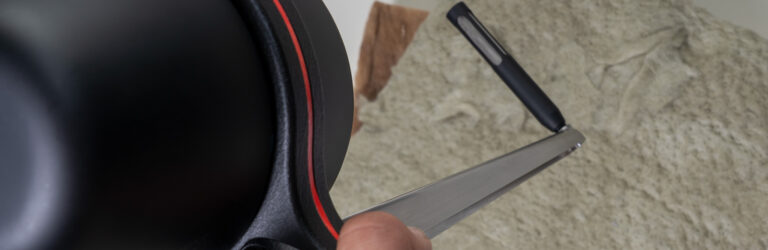
Near-Field Material Tester
-
Sound Intensity Probes
-
Particle Velocity Sensors
-
Sound Sources | VVS
-
Portable Measurement Devices
-
Sound Source Localization
-
Acoustic Material Testing
-
Sound Power & Source Ranking
-
End of Line testing software
-
Acoustic Testing & Analysis Software
-
Sensor Arrays
-
Preamplifiers & Frontends
-
Accessories
Measure acoustic material properties directly on the material in its installed or intended configuration.
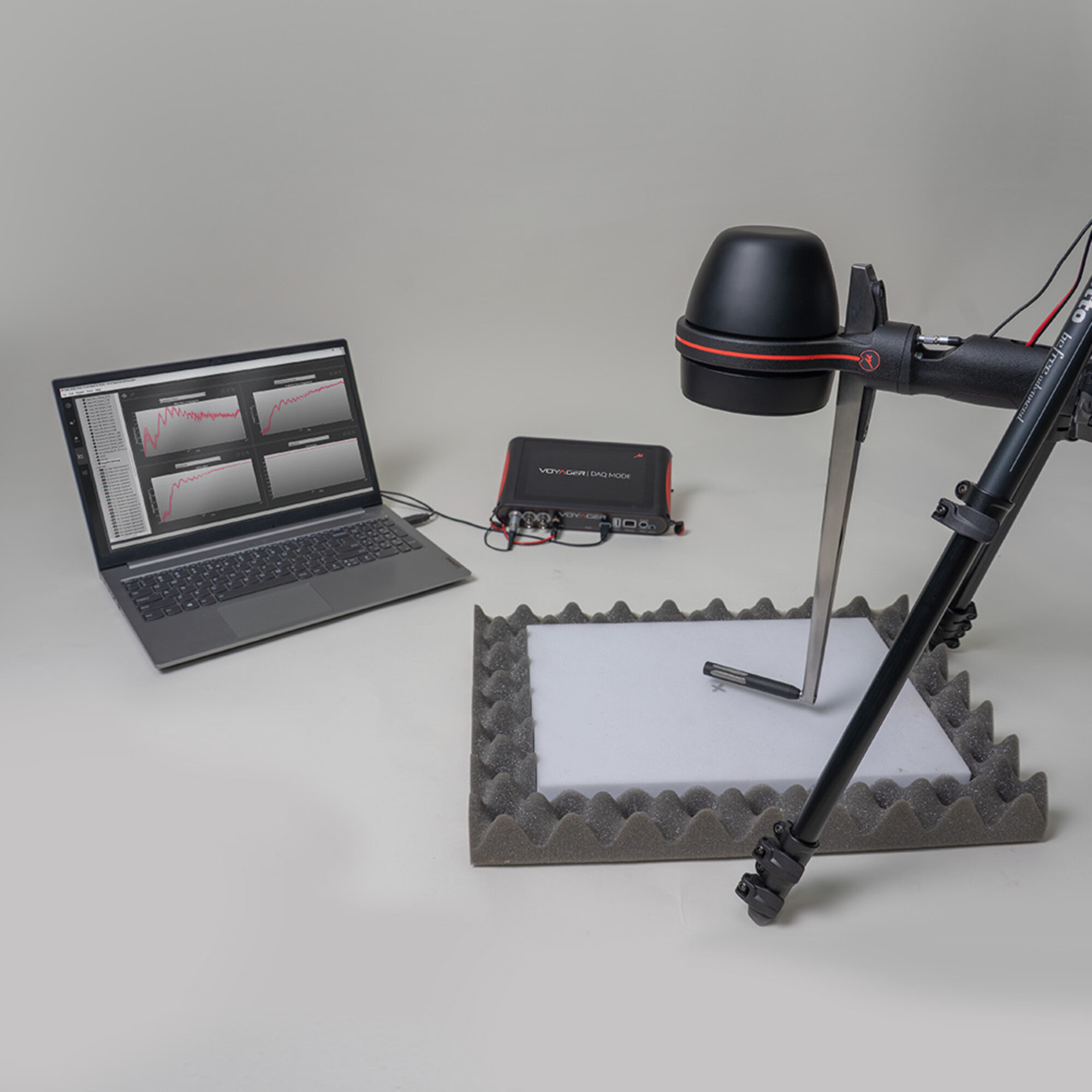
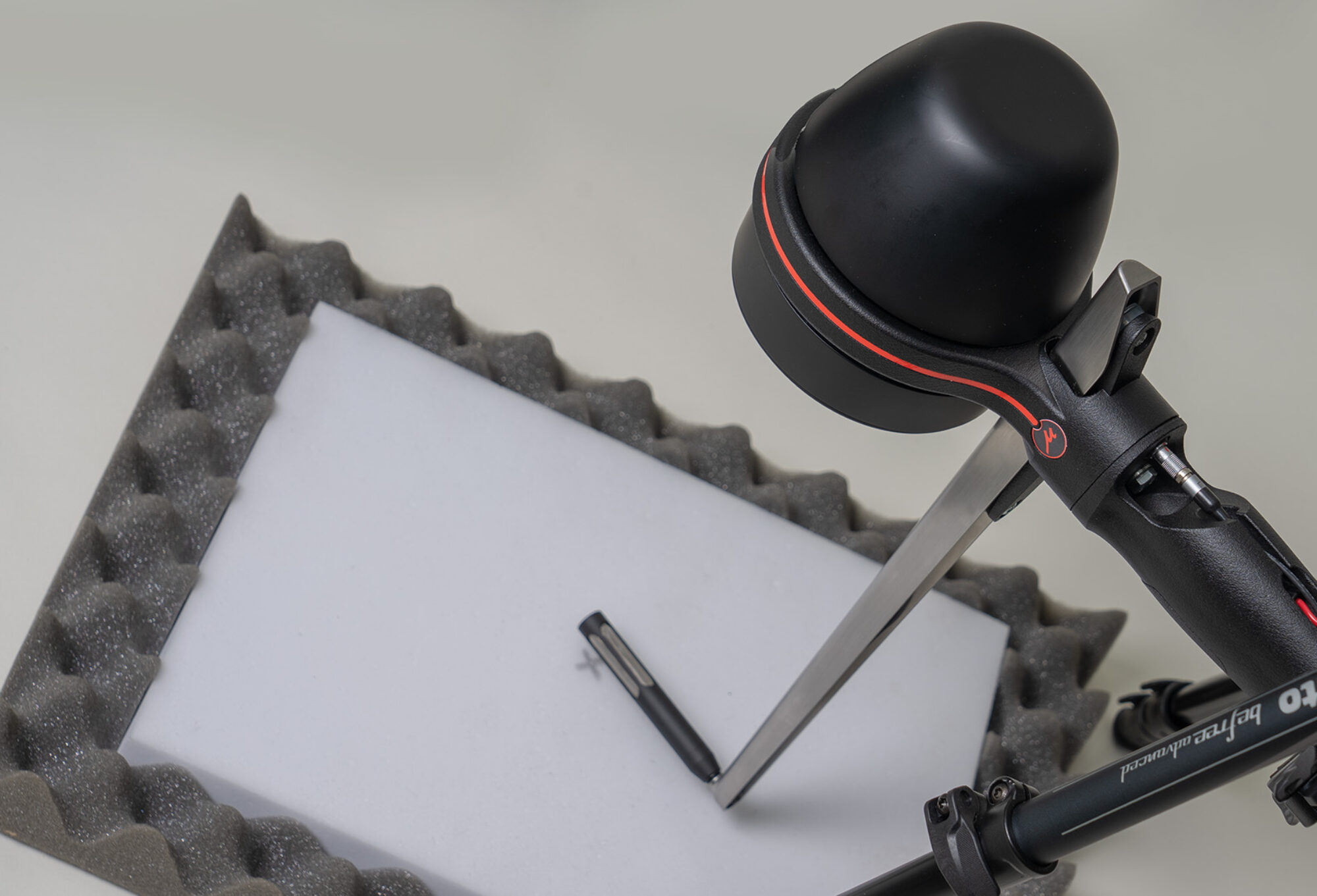
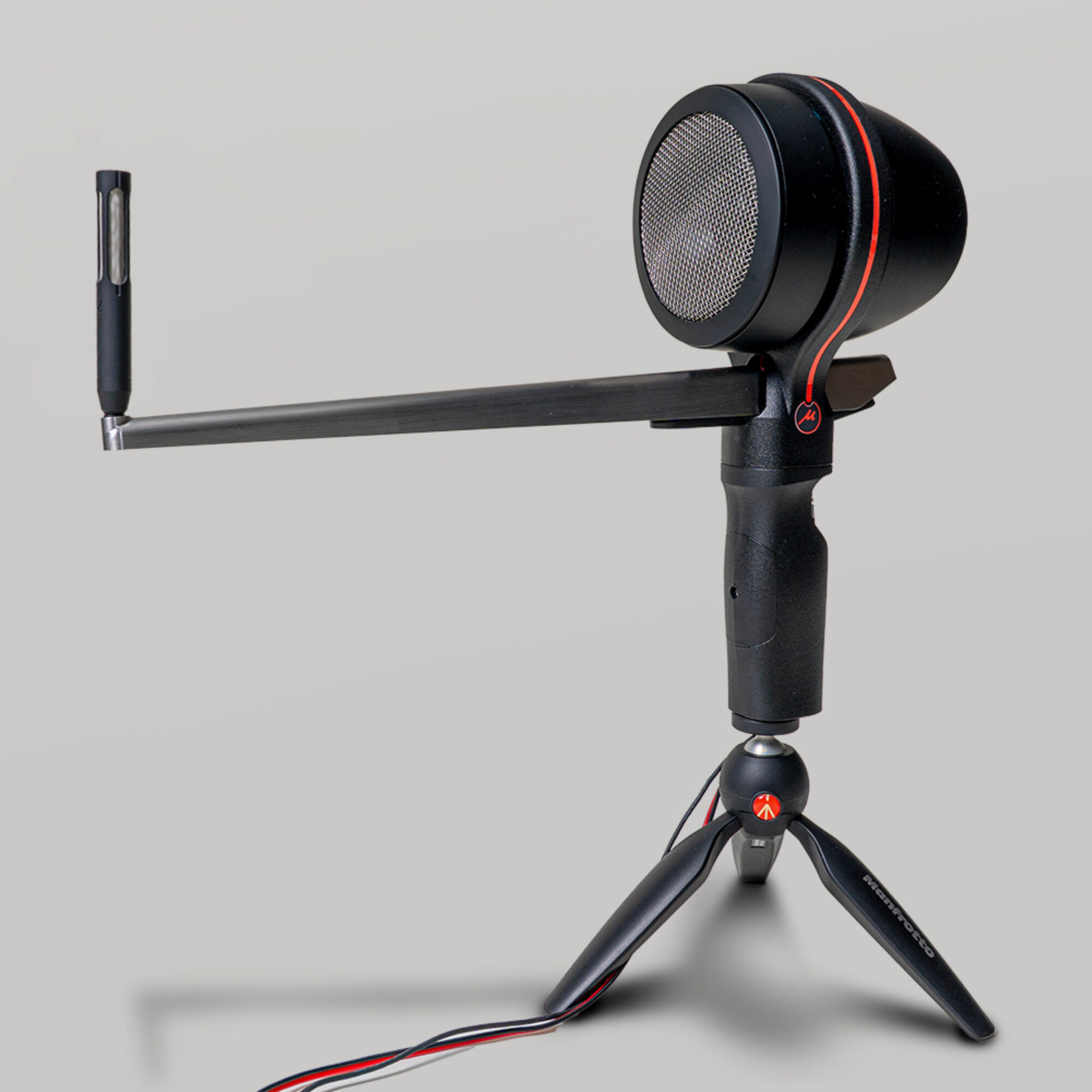
The Near Field Material Tester enables non-destructive measurement of sound absorption, reflection coefficient and complex surface impedance directly on installed materials. Measurements from 100 Hz to 10 kHz can be combined with JCAL-based modelling to estimate properties including airflow resistivity, effective thickness and viscous characteristic length.
-
Scientific Papers | Exploration of the differences between a PU based in situ absorption and the standardized reverberant room method
 Scientific Papers | High resolution absorption mapping with a PU surface impedance method
Scientific Papers | Sound absorption measurement of road surface with in situ technology
Scientific Papers | Sound intensity-based panel noise contribution analysis for improving the acoustic performance of a vehicle interior


Features
- 100 Hz–10 kHz
- Simple setup
- Innovative design
- Airflow resistivity
- Effective thickness
- Viscous length
- Parameter fitting
- 2D absorption mapping
Curious About Pricing Details?
Measure materials in their installed condition
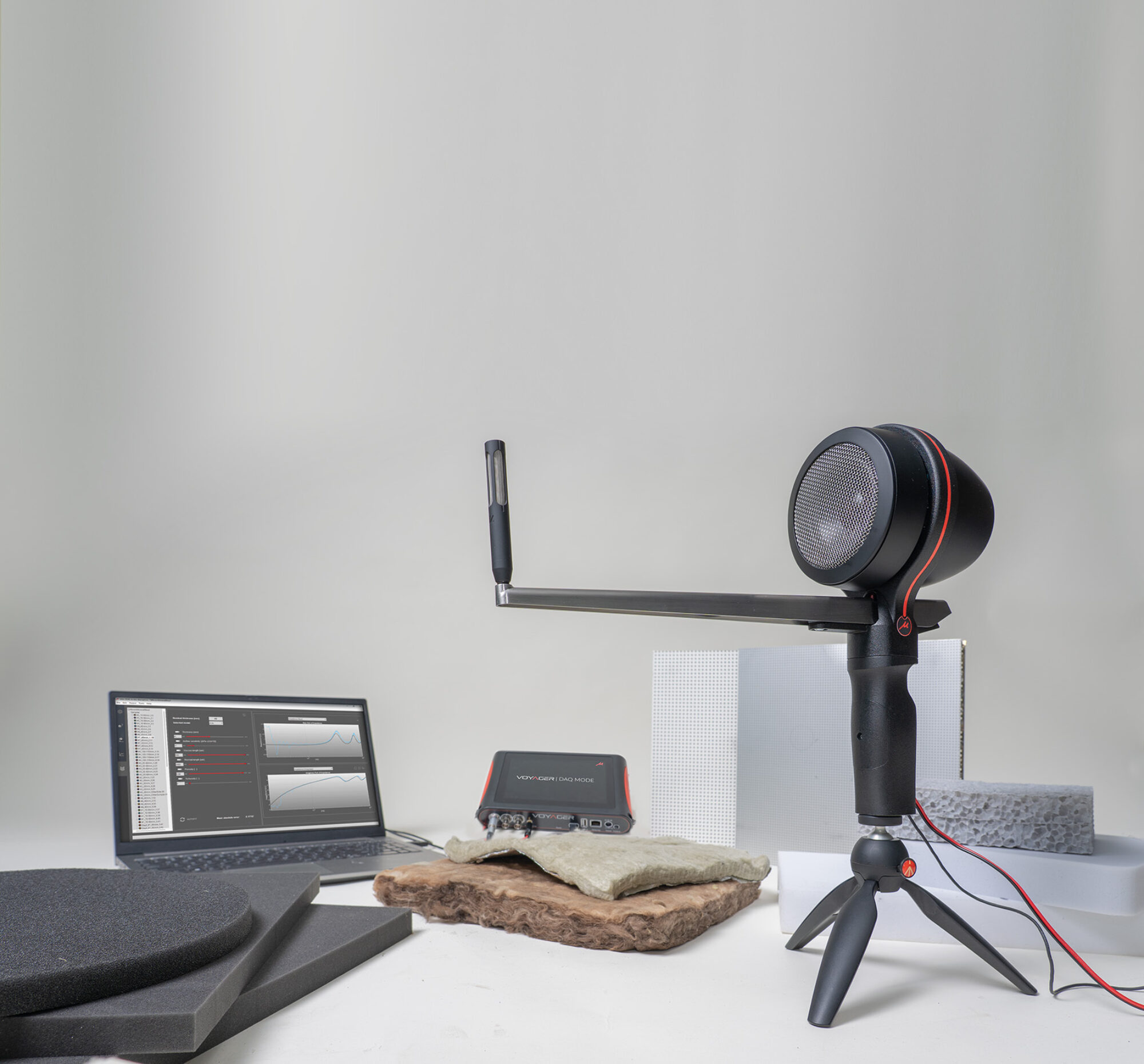
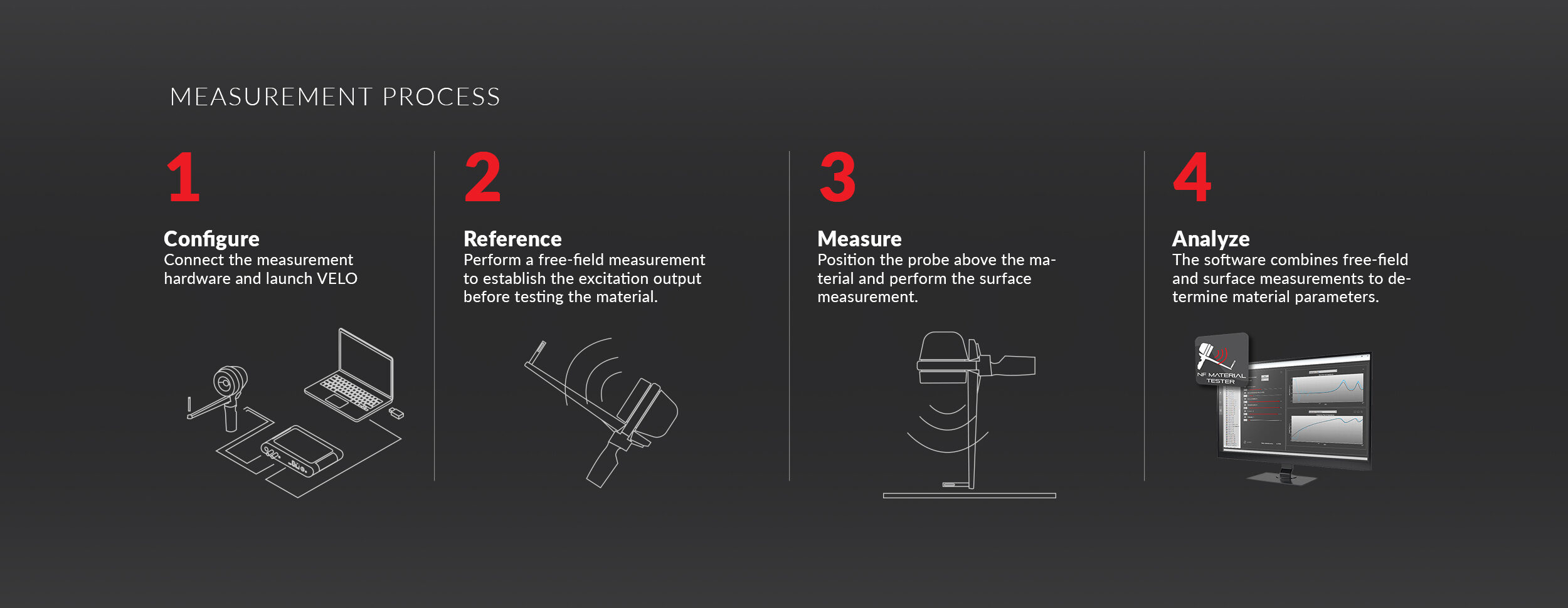
The acoustic performance of a material is influenced by more than its composition alone. Thickness, mounting, backing structure, compression and installation can all affect the measured response. The Near Field Material Tester enables engineers to characterize materials directly in their installed or intended configuration. A controlled acoustic field is generated above the surface while the dedicated probe measures the local response, allowing material properties to be determined without destructive sample preparation. This makes the system suitable for material development, benchmarking, verification and troubleshooting directly at the point of use.

Non-destructive testing and truly in-situ
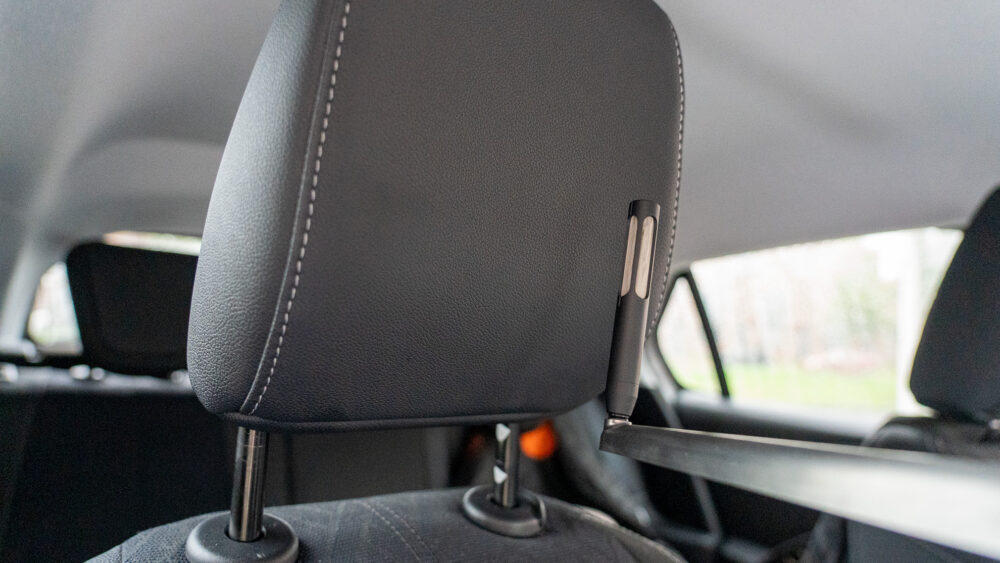
With our innovative in-situ absorption setup, the days of destructive testing are now behind us. This powerful system allows for the measurement of sound absorption in any environment, offering unprecedented versatility. Beyond testing simple material samples, the system is equipped to handle inhomogeneous materials, curved surfaces, and fully assembled parts.
Material Model Fitting
Measured surface impedance can be combined with the Johnson–Champoux–Allard–Lafarge (JCAL) model to estimate relevant material properties directly from the measurement data. Parameters such as airflow resistivity, effective thickness and viscous characteristic length can be adjusted manually or estimated automatically to obtain an equivalent model representative of the tested material.
This extends the measurement beyond acoustic response alone, helping engineers relate in-situ impedance results to the underlying physical properties of the material without destructive sample preparation.
- Sound Absorption
- Airflow Resistivity
- Effective Thickness
- Viscous Characteristic Length
-
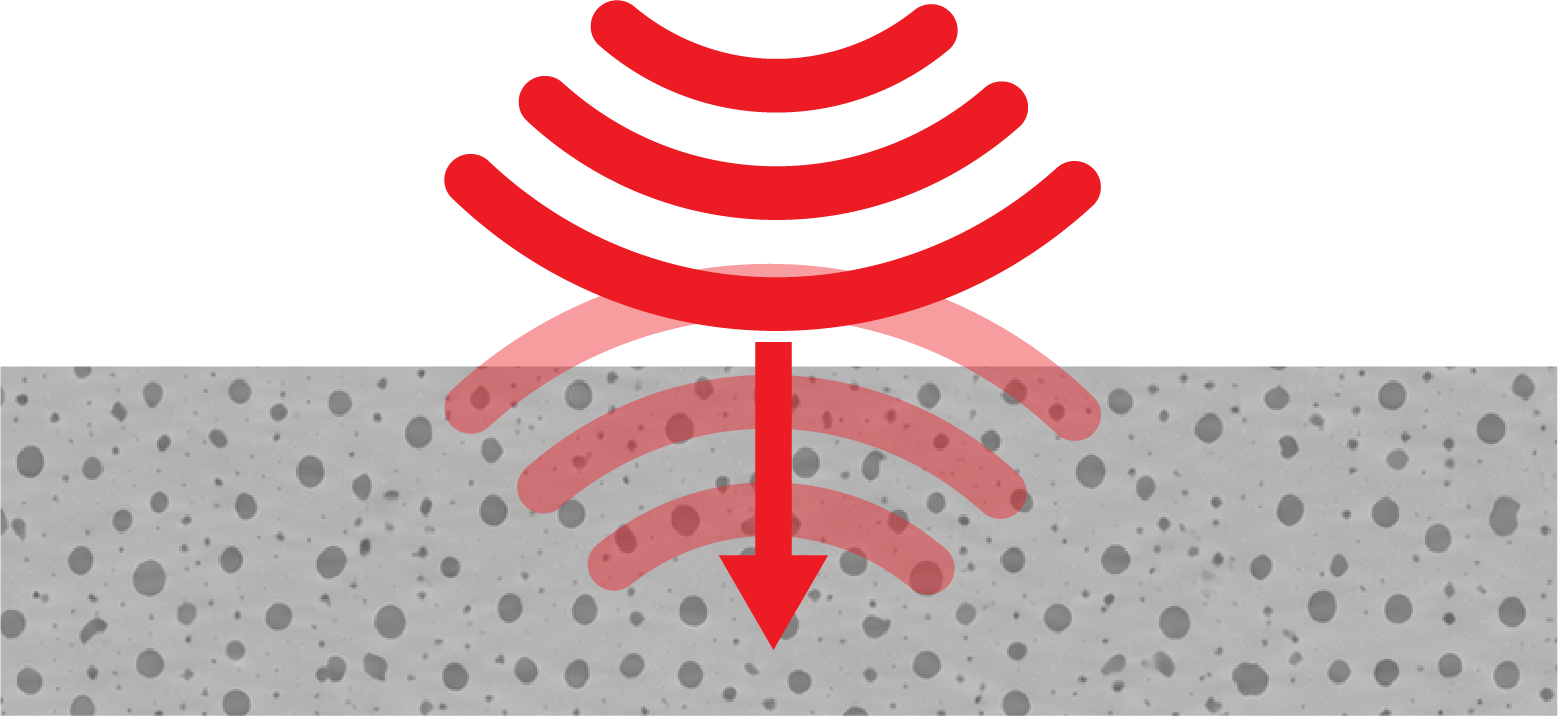
Sound absorption describes the dissipation of acoustic energy within a material, reducing the energy reflected back into the surrounding environment. The sound absorption coefficient ranges from 0 (fully reflective) to 1 (fully absorptive) and varies with frequency.
-
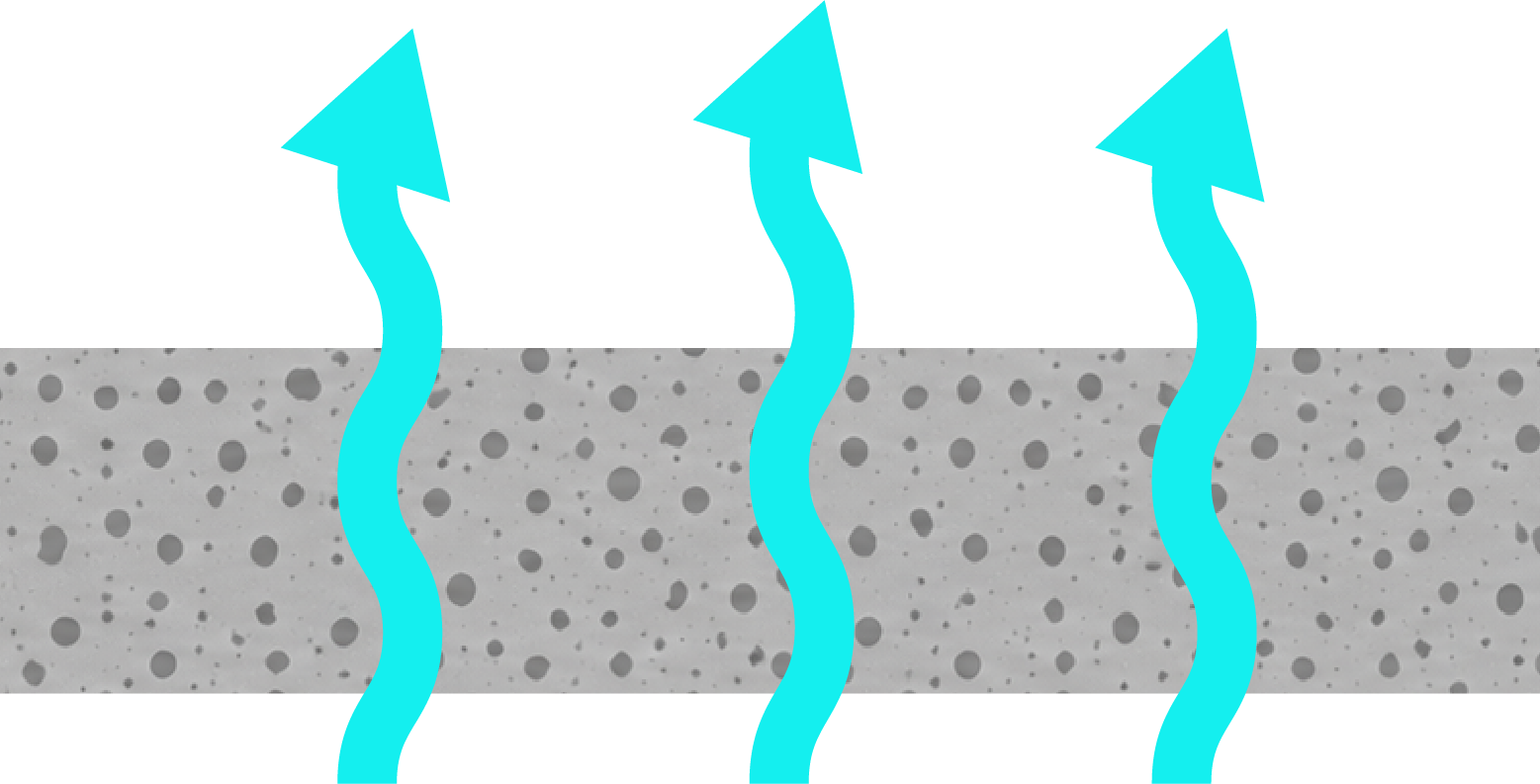
Airflow resistivity describes the resistance that a material creates against airflow through its internal structure. It is a key parameter governing acoustic energy dissipation and strongly influences the material's sound absorption performance.
-
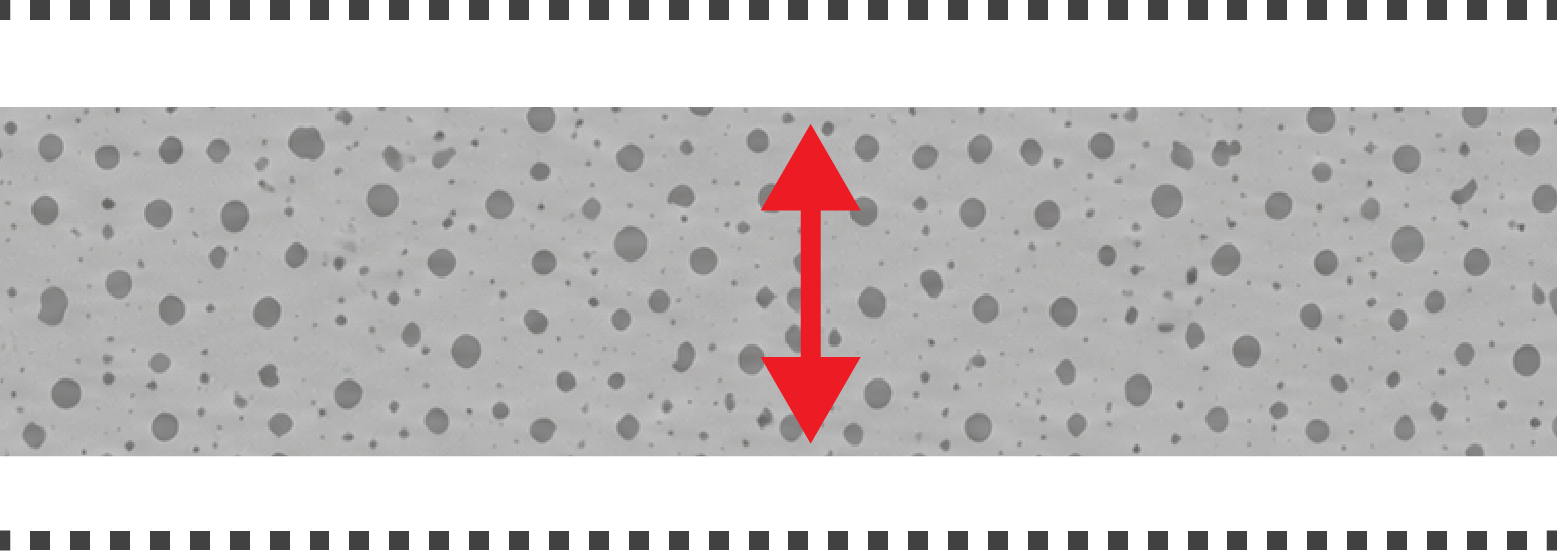
Effective material thickness represents the acoustically equivalent thickness of a material, inferred from its influence on sound propagation and absorption. It may differ from the physical thickness due to the material's internal structure and acoustic behaviour.
-

Viscous characteristic length describes a characteristic scale of the internal geometry. It governs the interaction between moving air and pore walls, influencing viscous energy losses and frequency-dependent acoustic behaviour.
- Introduction Video